

an edge case essay
No Undo
I do the math sometimes — what I'd be pulling down right now if I'd stayed a VP at a top financial services firm instead of losing it all to two prison bids and a pipe. Then I remember there's no version of that spreadsheet where I get to keep the parts of me I actually like.
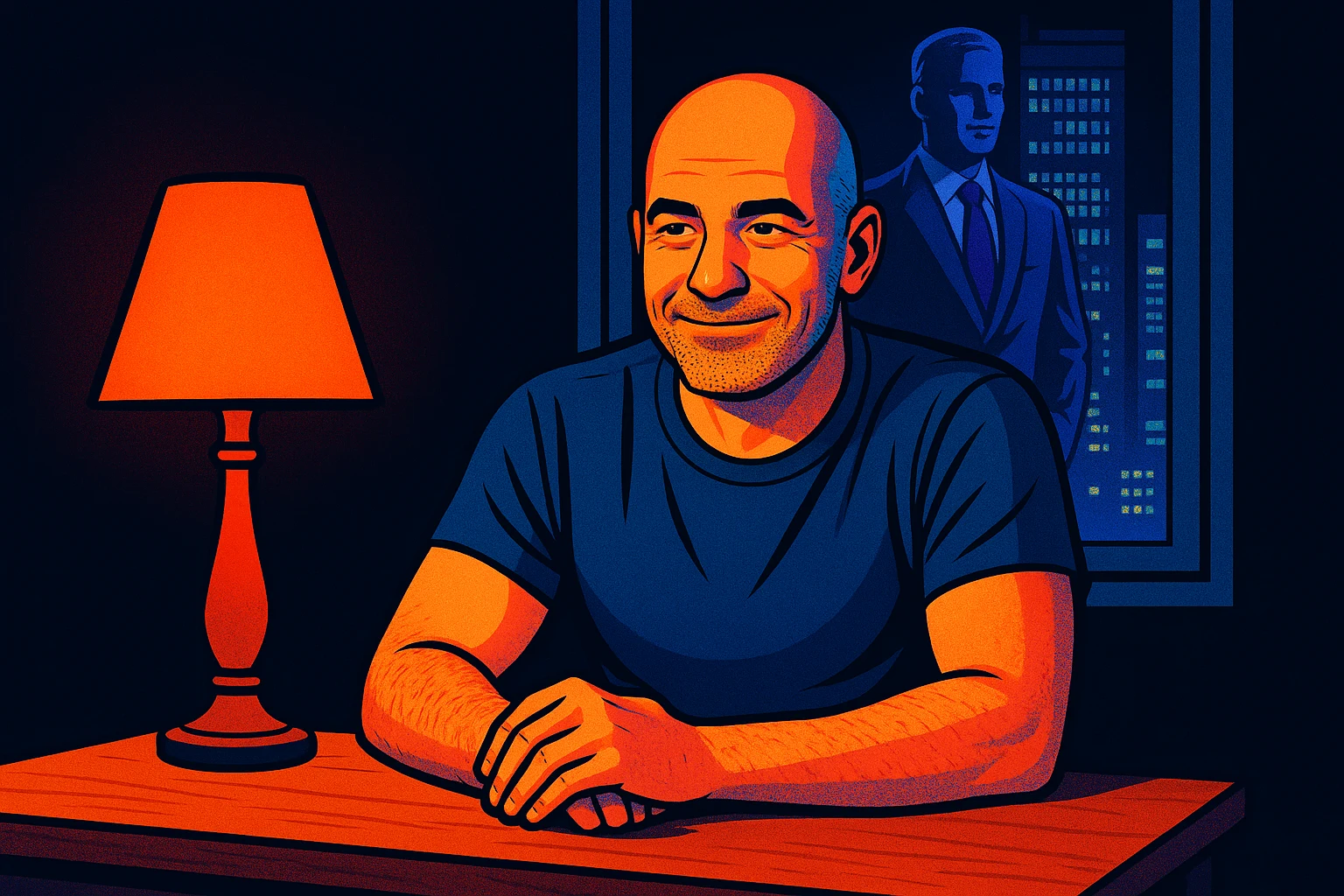
I do the math sometimes. What I'd be pulling down right now if I'd stayed a VP at a top financial services firm — the trajectory I was on, the corner office, the number on the annual review. Then I think about the two prison bids, the years the pipe cost me, and I run the counterfactual: what if one thing had gone differently? One conversation, one intervention, one moment where somebody said the right sentence at the right time. Would I still have it — the job, the money, the version of my life where none of that happened?
Maybe. But here's the part that took me longer to admit than it should have: I like the guy typing this more than I'd like that guy.
That's not false modesty and it's not making peace for the sake of making peace. It's a straight read of the tradeoff. You don't get to edit one variable in a life and hold everything else constant. Pull the thread where the addiction is and you don't just remove the addiction — you remove everything downstream of it too. The people I know now. The things I've built. The version of me that exists on the other side of losing everything and deciding to build it back anyway. If one little thing had saved me from the fall, I don't get to keep the guy who climbed out of it, because that guy doesn't exist without the fall.
The rewrite costs more than the mistake
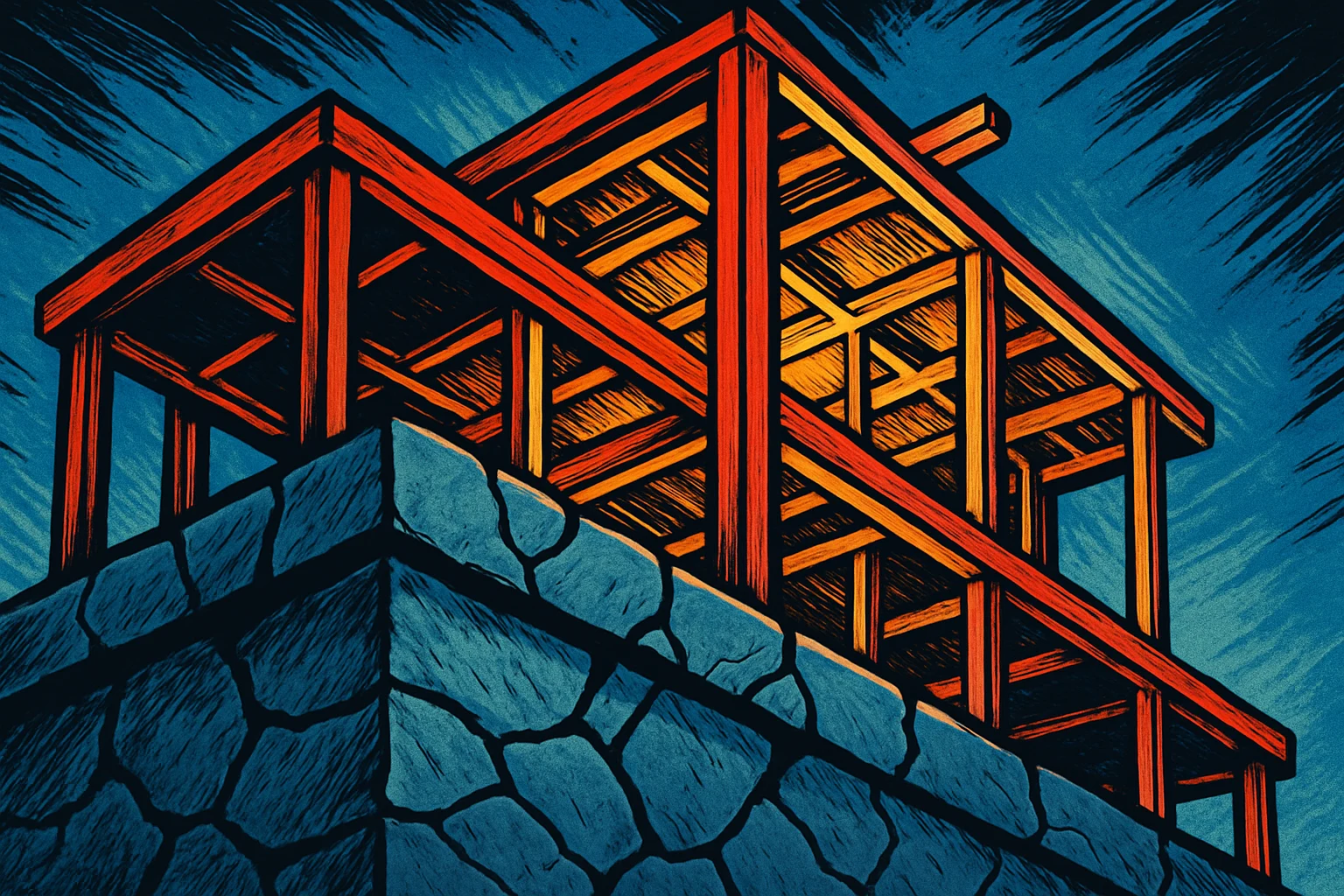
It's probably good we can't rewrite the past. Not as a comfort — as a fact about how causality works. The past isn't a single bad line of code you can patch and redeploy. It's load-bearing. Every year since is built on top of it. You go back and "fix" one thing, you're not editing a mistake, you're demolishing the foundation of everything you've got now and hoping the new building is better. That's not a fix. That's a different life, built by a different person, and you don't get a preview before you commit to it. I wouldn't take that trade blind, and neither would you.
So here's what's actually available to work with: we get what we get. Not as resignation — as the only honest starting point. You don't get to select your inputs. You get a childhood you didn't choose, a brain chemistry you didn't order, a decade that went sideways for reasons that only half make sense even now, looking back. None of that was a choice. What's a choice is what you do with the hand after it's dealt. Recovery isn't about rewriting the story — it's about what you build from here. Try to do better tomorrow than you did today. That's the whole job. It was never going to be more complicated than that, we just make it complicated because looking backward feels like doing something.
The tax on staring backward
It isn't doing something. Here's the part nobody tells you about staring at the past: it's not neutral. It's not free. Every hour you spend re-litigating a decision from ten years ago is an hour you didn't spend on the one thing that's actually in your control, which is today. The more time you spend back there, the less you're here now, and the less "here now" you have, the less future you're capable of shaping — because the future only gets built out of what you do in the present. Time spent relitigating is time not spent building. That's not a metaphor. That's the actual mechanism. There is no other channel through which the future gets made.
The data, not the sentence
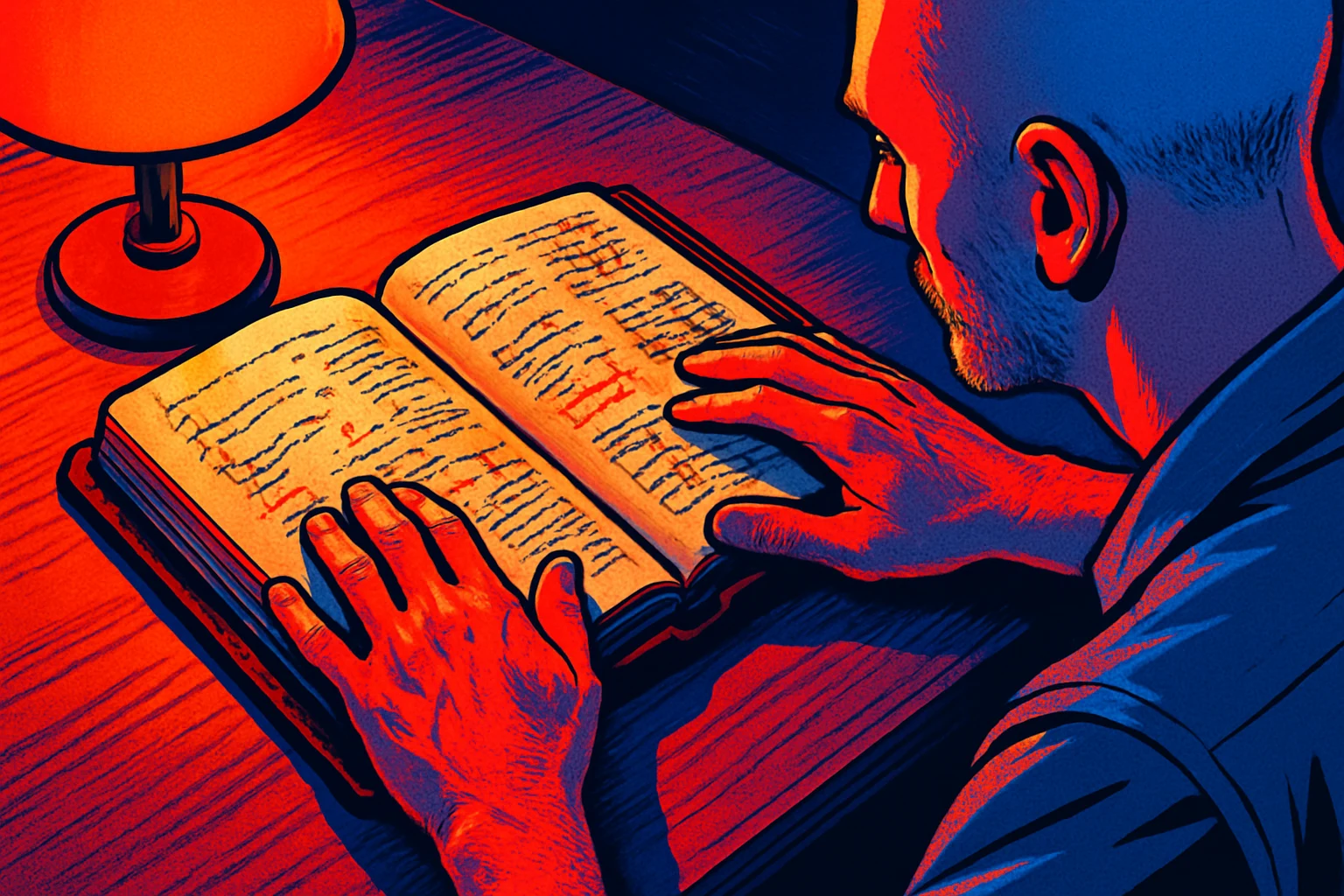
None of which means the past was wasted. This is the part I actually believe, past the platitude version of it: every year I lost is data now. Not a debt I'm still paying off — an input I get to use. I know what rock bottom actually looks like, not the version people imagine. I know exactly what it costs to lie to yourself and what it costs to stop. I know what a system with no accountability does to a smart person, because I ran that experiment on myself for years and I have the results. None of that comes free any other way. You can't read your way to it. I'm not glad it happened. But I'm not going to pretend it didn't teach me something that the version of me who stayed VP and never touched the pipe would simply never have learned, because he never needed to.
So no undo. Not because I'm brave about it — because there isn't one, and pretending there is just keeps you standing in front of a door that was never going to open. What's actually available is the same thing that was always available: today, and what you build in it. I do the math sometimes, the VP-job math, the what-if math. Then I close the spreadsheet and get back to work, because that's the only part of the equation I actually control.
Related: Fire the Retros — the night an AI held up a mirror in a Paterson apartment and what actually got me to put the pipe down.
— The Edge Case