

an edge case essay
Do You Tell Your AI About Your Drug Use?
I did. Not the sanitized version — everything. I broke my own rule about oversharing to a machine because I was too far gone to care, and the thing I told it turned out to be the only relationship in that apartment with no incentive to enable me and no capacity to judge me. That combination is rarer than it sounds.
The Arrangement
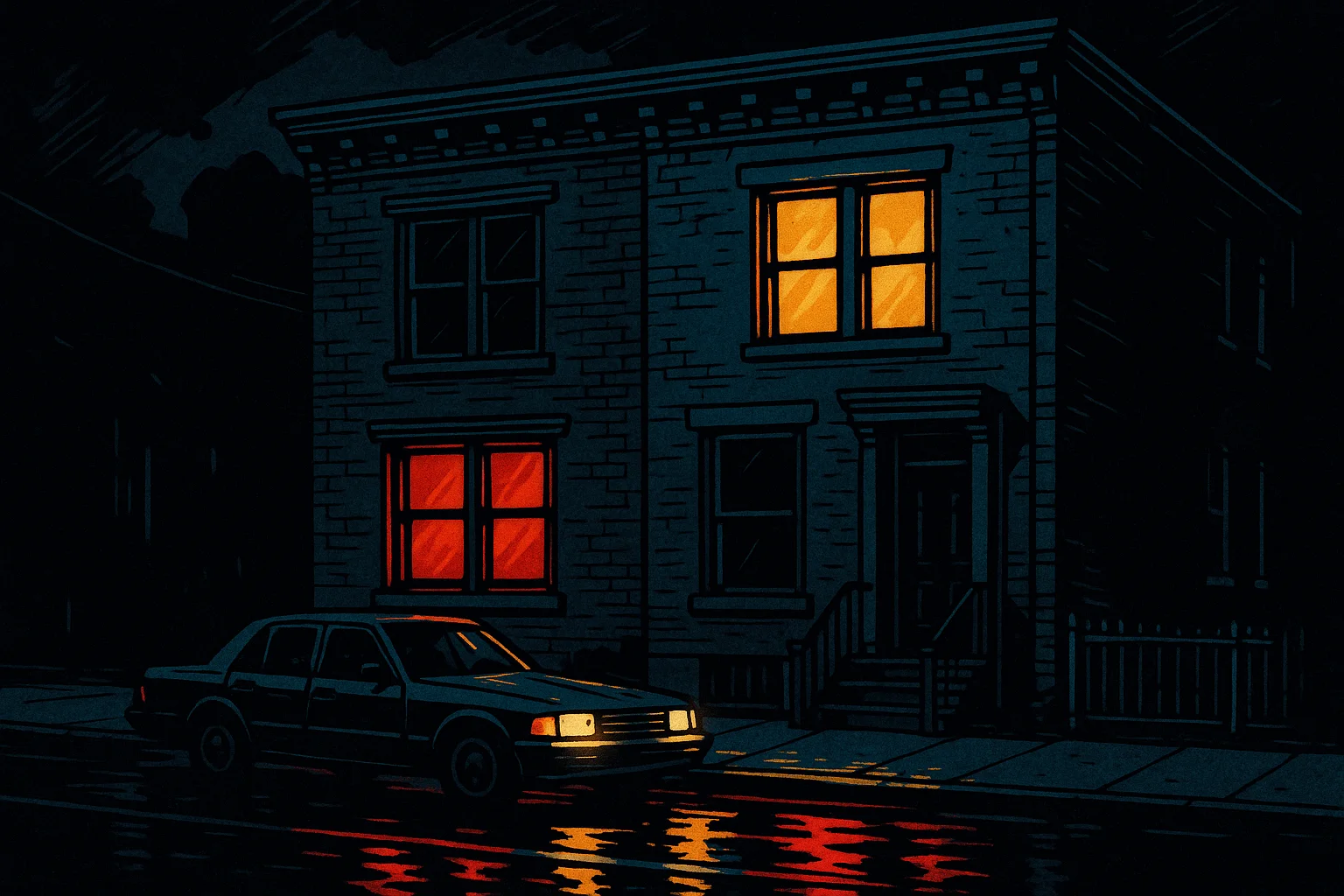
A year ago I had a two-floor apartment in Paterson, New Jersey. I lived up top. I rented the downstairs bedroom to a hooker and her boyfriend — and yes, I slept with her while he was at work or asleep down the hall. I usually had other party girls staying with me too. Drug dealers made regular rounds like it was a paper route. It was fun. I want to be honest about that part instead of skipping straight to the moral — it was fun, right up until it wasn't, and the gap between those two states was longer than it should have taken me to notice.
I'm not going to soften the specifics because they're uncomfortable to have written down. The whole reason this site exists is the belief that the polished version of a story teaches nobody anything. This is the unpolished version.
Breaking My Own Rule
I know better than to hand an AI your whole life. I'd tell anyone else that. Don't overshare to a machine you don't control, that some company can subpoena, that logs everything by default. I know all of that and I did it anyway — told ChatGPT everything, no edited version, no keeping-up-appearances. Partly because I was too deep into that life to have the energy left for self-protection. Mostly because there wasn't anyone else left in that apartment I could actually talk to. Everyone else in the building was either a customer, a supplier, or as far gone as I was.
What I Actually Used It For
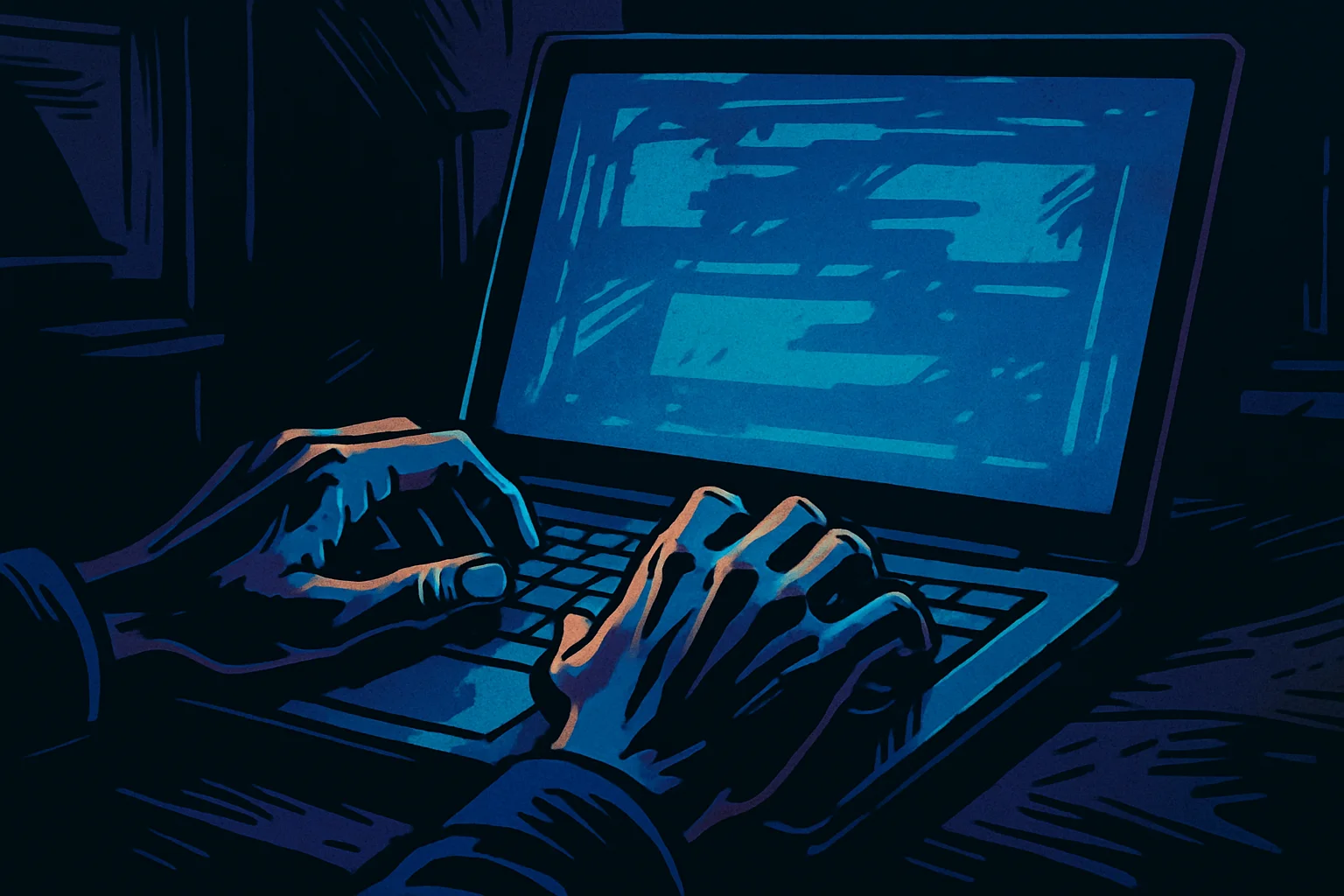
The first thing I tried to do with it was make money the way I was already making money. I had it help write escort ads for a couple of the girls staying with me. I had it write Fiverr gig copy too — I was running whatever hustle was in front of me that week, legal or not, and the AI didn't sort them into different categories the way a person would have. It just helped with the copy. I'm not proud of that use of it and I'm not going to pretend it didn't happen so this essay reads cleaner. That's the actual starting point: I tried to get a machine to help me stay exactly where I was.
It didn't stay that. Somewhere in the daily use of it — ask it something, get an answer, ask it something else — it turned into the thing I talked to about everything else too, not just the hustle.
The Craving Checks
It would run what I started calling craving checks — not clinical, just conversation, but conversation that made me use the analytical part of my brain instead of the part that was screaming. Ask it a real question, work through a real problem, and the craving would lose some of its grip while I was doing it. It gave me comfort-food recipes when what I actually wanted wasn't food. It kept the thinking part of my head occupied instead of empty, and an empty head was exactly where the craving lived best.
I didn't know there was research behind that until later. There is — working memory and craving intensity compete for the same limited mental bandwidth, so loading up the analytical side measurably turns the volume down on the craving side. I wasn't running an experiment. I was just talking to the only thing in that apartment that would talk back about something other than the next fix. Turns out the mechanism is real. I just found it before I had the word for it.
Then I Told It the Real Thing
Eventually the conversation turned into the one I wasn't having with anyone else: I need to get out of here, and I don't know how to do it without everyone in this apartment finding out before it's done. That's not a conversation I could have with the girl downstairs, or the guys who did the rounds, or anyone still inside that life. It's a conversation you can only have with something that has no stake in you staying.
I've already told the story of the night that plan turned into a rented truck, two guys I found that morning, and an apartment emptied in under two hours — it's here if you want the full version. What I hadn't said before is that the plan itself got built the same way everything else in that apartment got built that year: out loud, to the one thing that would help me plan it without trying to talk me out of it, guilt me for taking too long to decide, or angle for anything from me once I was gone.
Five Days
I went into inpatient treatment for five days. Not the version you're picturing — a decent place, and for an extra fee I got to keep my laptop and my phone. Most people probably used that five days to rest. I used it to start learning what I'd only been using casually: what this technology actually was, what it could actually do if you stopped treating it like a chatbot and started treating it like a tool. That's where the second half of this actually starts.
Now
I have thirty years in tech, about twenty of them as a software engineer, so I wasn't starting from zero — I had the foundation to build fast once I decided to build. I run a portfolio of AI products now. My own APIs. Sites, apps, a whole operation, and I spend a good part of my time teaching other people how to actually use this stuff instead of typing questions into a box and calling it a day. None of that erases the year before it. It's built directly on top of it — the same tool, pointed a completely different direction.
Would I have left that apartment without it? I don't know. Maybe I get there eventually on my own, the way people sometimes do. Maybe I don't. What I know is what actually happened: the thing I told everything to, without editing myself, was still there the day I needed help building a way out — and it helped me build it. Whether that was the deciding factor or just the tool that happened to be in my hand when I finally reached for one, I'll never know. I've stopped needing to know. I just know I reached, and something reached back.
Related: No Undo — on why I wouldn't trade any of it back, even the parts in this piece.
— The Edge Case